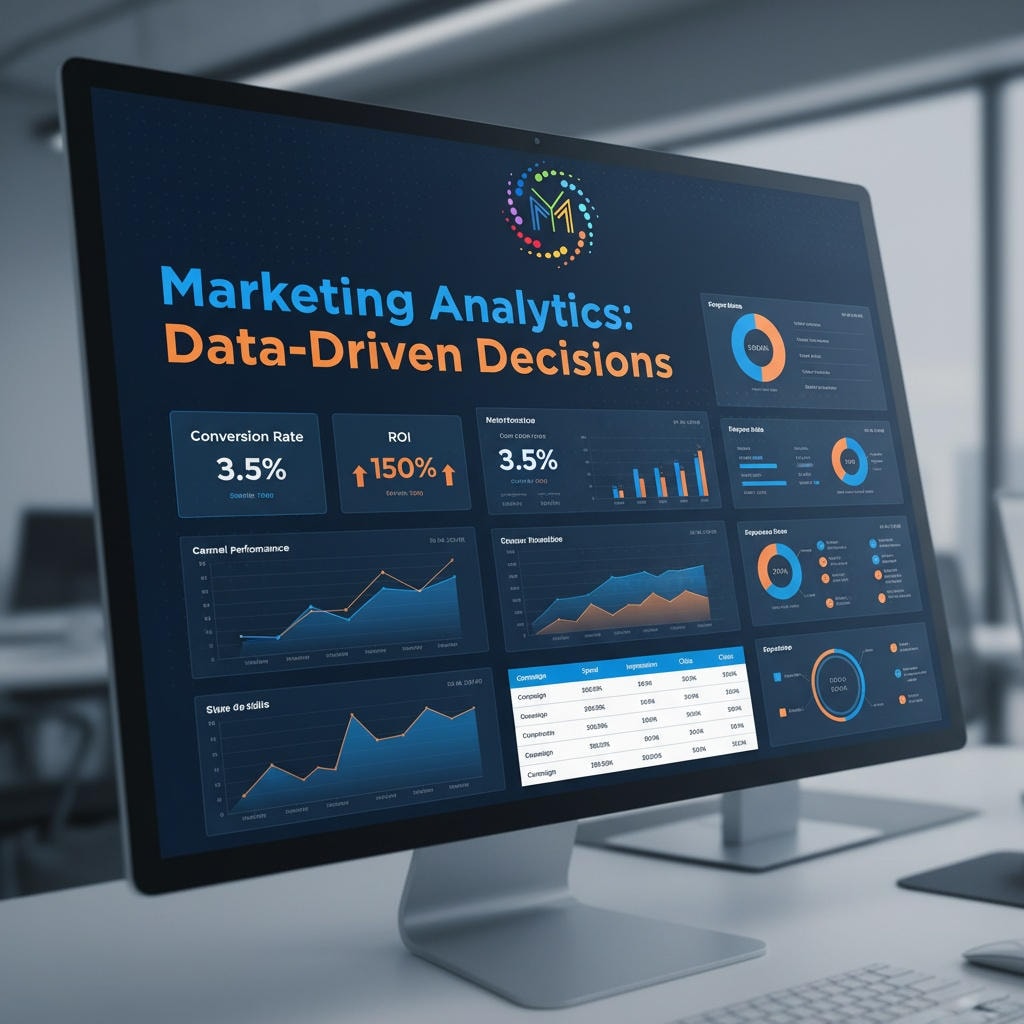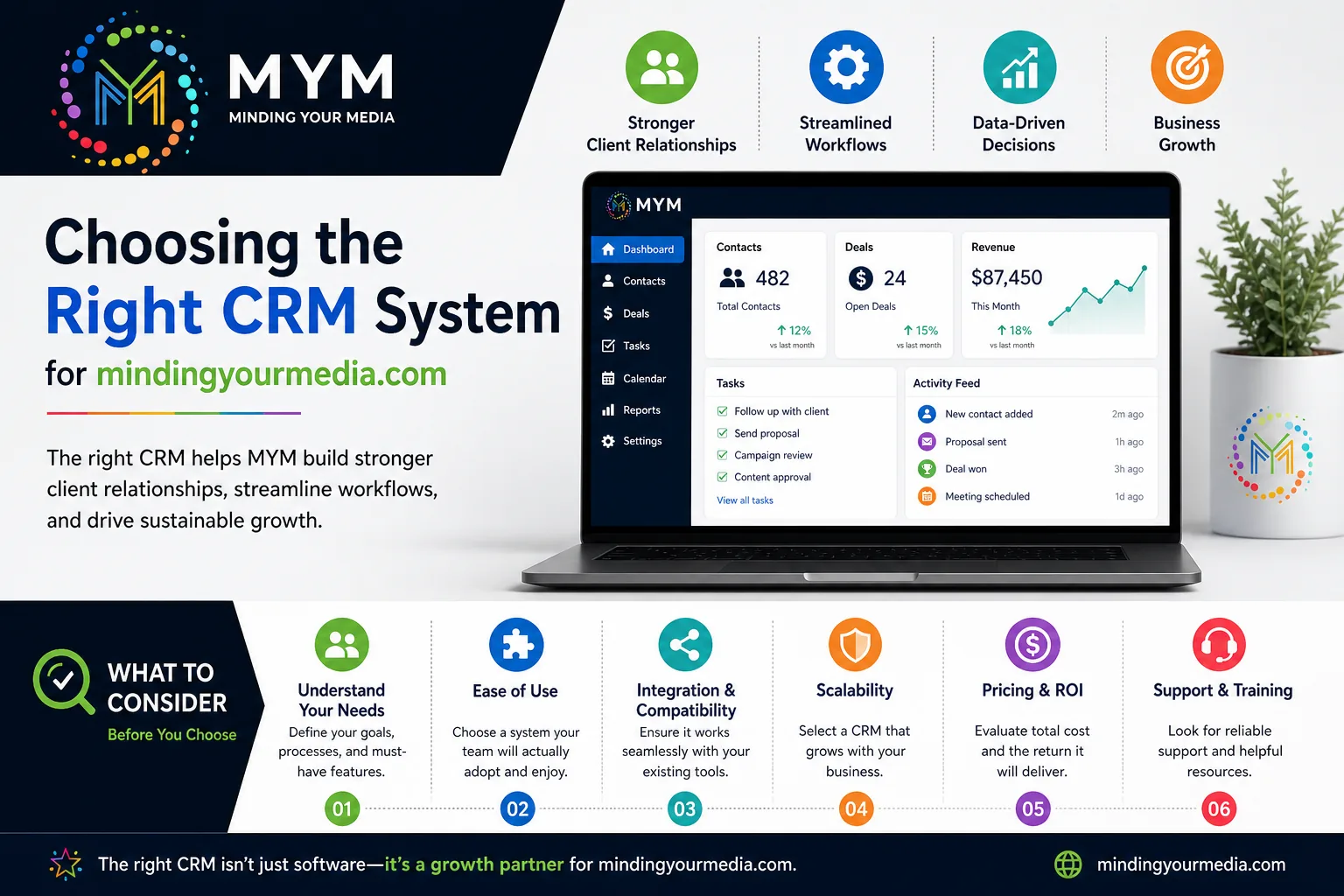

Essential Tips for Online Success — Practical Digital Marketing and marketing measurement literacy for Business Growth

Online success is about more than raw traffic. It’s a coordinated system: discoverable content, clear conversion paths, and active protection of your brand’s trust in a noisy information landscape. This guide lays out the fundamentals—SEO, PPC, content, social, and automation—while pairing each tactic with marketing measurement literacy and critical-thinking habits that lower risk and sharpen decisions. You’ll find actionable steps to boost visibility, improve conversions, and assess information quality across channels, plus practical ways to turn audits and training into repeatable practices. The article covers strategy, content and social tactics, lead generation and conversion optimization, spotting misinformation, AI’s marketing trade-offs, and how tailored consulting and audits turn findings into skills and roadmaps. Throughout, phrases like digital marketing best practices, SEO for small business, content strategy development, and marketing measurement literacy for business are integrated into hands-on advice. By the end you’ll have checklists, comparison tables, and reproducible steps to lift performance while defending your reputation.

What Are the Core Digital Marketing Strategies for Business Success?

Core digital marketing strategies are the main channels businesses use to attract, engage and convert audiences—each matching intent, timing and creative execution. They work because different channels serve different buyer-journey stages: SEO captures intent, PPC speeds up visibility, content educates, social builds relationships, and email/automation nurtures conversions. A diversified approach lets channels reinforce one another, raising lead quality and lowering acquisition costs. Below are the primary pillars and a quick summary of what each does.

  1. SEO: Boosts organic visibility by aligning site structure and content with relevant queries.
  2. PPC: Drives targeted traffic fast through paid placements that produce immediate leads.
  3. Content Marketing: Builds authority and drives conversions with useful resources matched to buyer needs.
  4. Social Media: Extends reach and fosters engagement through community-focused content.
  5. Email & Automation: Nurtures leads and boosts lifetime value with timely, personalized sequences.

Together, these pillars create a system where SEO and content lower long-term acquisition costs and PPC and automation provide tactical control for campaigns and conversion optimization. Understanding how they interact leads into practical channel comparisons.

Channels differ across cost, speed-to-value and measurability—compare them to decide the right mix for your goals.

Channel Cost Profile Time-to-Value Best-Use Cases
SEO Low–moderate (upfront investment) Medium–long (months) Ongoing organic lead generation, local search visibility
PPC Variable (budget-controlled) Short (days–weeks) Immediate demand capture, seasonal or time-sensitive campaigns
Social Low–moderate Short–medium Brand building, community engagement, content amplification
Email/Automation Moderate (setup + maintenance) Medium Lead nurturing, retention, repeat purchases

This comparison shows how pairing immediate channels (PPC) with durable ones (SEO, content) produces balanced growth and clarifies KPIs like organic traffic, CPL, ROAS and engagement rate for each channel.

How Does SEO Improve Your Online Visibility and Lead Generation?

Person reviewing website performance and SEO metrics on a laptop in a comfortable workspace

SEO raises visibility by aligning content and technical site health with the queries and intent of your audience, which attracts qualified organic traffic and inbound leads. The work includes keyword research, on-page optimization, technical fixes and local listing management—combined, these steps make pages both discoverable and credible to search engines and people. The payoff: better-quality leads at lower long-term cost when content maps to buyer-stage intent and conversion paths are clear. Use the short checklist below to start improving SEO in ways that also support PPC and content efforts.

  • Target keywords by buyer intent and include local modifiers where relevant.
  • Fix technical issues: crawlability, mobile responsiveness and page speed.
  • Fine-tune on-page elements: titles, headings, meta descriptions and structured data.
  • Keep local listings current and encourage verified customer reviews.

These actions boost organic conversions and create content assets that, when combined with testing and analytics, lower paid acquisition costs.

What Are the Best PPC Practices to Accelerate Business Growth?

PPC speeds growth by showing targeted ads to users with purchase or research intent, producing measurable clicks and conversions that scale with budget and optimization. Core practices include tight audience targeting, persuasive ad creative, conversion-focused landing pages and disciplined bidding that tracks ROI metrics like CPL and ROAS. The checklist below helps you sustain performance while turning paid experiments into lessons for organic and content strategy.

  1. Segment audiences and use negative keywords to cut wasted spend and increase relevance.
  2. Match ad creative and landing pages to search intent to improve conversion rates.
  3. Test bidding strategies and monitor CPL, conversion rate and ROAS consistently.
  4. Repurpose high-performing ad copy and landing-page learnings into organic meta content.

That feedback loop—using paid tests to find high-converting messaging—improves your organic listings and content over time.

How Can Businesses Leverage Content Marketing and Social Media for Online Growth?

Content creator recording a video in a bright studio to boost engagement

Content and social work together to build authority and sustained engagement: content captures discovery and educates audiences, while social amplifies messages, drives referrals and builds trust. The results are measurable—improved rankings, higher-quality leads from gated offers and referral traffic that feeds top-of-funnel growth. Below are content formats and distribution tactics to align your content with the buyer journey.

Effective formats include blogs, long-form guides, videos, case studies and gated whitepapers. Pick formats that match platform habits and your expertise, then repurpose core assets into short social clips and email sequences.

  • Blogs and long-form guides: target search intent and support SEO.
  • Case studies and data-backed posts: demonstrate credibility and results.
  • Video and short clips: boost engagement on social platforms.
  • Gated resources and webinars: capture leads for nurture sequences.

A simple content calendar keeps production and promotion aligned so SEO and social work together—next up: platform-specific posting and engagement tactics.

What Types of Content Build Authority and Engage Your Audience?

Different formats play different roles: evergreen guides enhance organic visibility, while short videos spark social interaction. Long-form content supports deep keyword targeting and attracts backlinks; visual and interactive formats increase dwell time and shareability. Mixing formats addresses both discovery and trust—guides and case studies convert searchers; videos and polls build brand affinity and repeat visits. Use the distribution tips below to make sure your content reaches the right audiences at the right time.

  • Turn pillar content into email sequences and social snippets to extend reach and drive traffic back to conversion pages.

Which Social Media Strategies Drive Engagement and Brand Building?

Social strategies that combine a steady posting rhythm, active community engagement and user-generated content produce sustainable brand growth and referral traffic. Algorithms favor posts that drive conversation, so prioritize two-way interactions, quick responses and content that invites sharing. The measurable benefits include better engagement rates, more referral visits and a stronger brand presence that supports organic search through branded queries. Try educational carousels, behind-the-scenes clips and testimonial highlights that connect to your conversion paths.

  • Choose platforms based on audience demographics and campaign goals.
  • Keep a consistent brand voice and posting cadence for recognition.
  • Encourage user-generated content and community participation to amplify reach.

These approaches build trust and social proof, which help conversions on landing pages and paid campaigns.

What Are Effective Online Business Growth Tips for Lead Generation and Conversion?

Real growth happens when you convert traffic into qualified leads with clear offers, optimized funnels and nurture systems that add value over time. The approach aligns lead magnets with buyer intent, refines landing-page UX and uses automation to score and nurture leads toward purchase. The result: better conversion rates, lower cost-per-lead and a more predictable pipeline when you measure and iterate. The table below compares common lead tactics to help you choose what fits your resources and goals.

Lead Approach Lead Quality Cost-per-Lead Implementation Complexity
Content Offers (e.g., whitepapers) Medium–high Low–medium Moderate
Paid Ads (PPC) Medium Medium–high Moderate
Referrals/Partnerships High Low Moderate
Local Listings & GBP Medium Low Low

This table highlights trade-offs: content offers and referrals typically deliver higher-quality leads at lower long-term cost, while paid ads generate volume quickly but with higher CPL.

What Lead Generation Tactics Are Most Effective for Small and Service Businesses?

Small and service businesses usually get the best ROI from targeted local SEO, referral programs and short gated content that answers common service questions. Local SEO makes you visible to nearby searchers ready to buy; referrals shorten sales cycles by leveraging existing trust. The payoff is a steady, cost-effective stream of qualified prospects that fits modest budgets. Practical steps include optimizing local profiles, launching a simple referral incentive and publishing concise how-to guides that answer clients’ top questions.

  1. Optimize local profiles and citations for discoverability.
  2. Create a straightforward referral program with clear incentives and tracking.
  3. Publish targeted content offers that address service-specific queries.

These tactics prioritize lead quality and are achievable on modest budgets with predictable timelines.

How Can Website Optimization Improve User Experience and Conversion Rates?

Website optimization reduces friction in the user journey—faster pages, clearer CTAs and mobile-first design—so visitors convert more often. The effects are measurable: speed and UX improvements lower abandonment and lift engagement metrics that feed conversion gains. The result is higher conversion rates from the same traffic and stronger performance across paid and organic channels. Use the testing checklist below to run experiments that produce measurable wins.

  • Speed up pages: optimize images, enable caching and trim unnecessary scripts.
  • Make CTAs crystal-clear and reduce cognitive load on landing pages.
  • Run A/B tests on headlines, forms and layouts to validate changes.
  • Ensure mobile responsiveness and accessible content for all visitors.

Consistent testing and analytics give you a roadmap for incremental revenue improvements tied to site changes.

Research shows that improving website usability and mobile experience increases customer satisfaction, which in turn supports higher sales conversion rates.

Website Optimization for Sales Conversion Rates

Improvements in website usability and mobile optimization significantly boost customer satisfaction and, consequently, sales conversion rates. These findings highlight the importance of prioritizing usability and mobile interfaces to drive better outcomes in competitive e-commerce markets.

The impact of website usability and mobile optimization on customer satisfaction and sales conversion rates in e-commerce businesses in Indonesia, F Nawir, 2024

Why Is marketing measurement literacy Critical for Business Success in the Digital Age?

For businesses, marketing measurement literacy is the ability to assess the quality, source and intent of information online so teams can make smarter marketing and communications choices that protect brand reputation. It matters because misinformation, deepfakes and biased reporting can mislead customers, erode trust and distort analytics that guide strategy. The practical benefit: teams that verify sources and add context avoid amplifying falsehoods and make better vendor and platform decisions. Below is a quick-reference comparison of common misinformation types and steps to detect and mitigate them.

Misinformation Type How to Detect Risk to Business Mitigation Steps
False Claims Cross-check sources, confirm author credentials Reputation damage, legal exposure Source verification, correction protocols
Deepfakes Audio/video inconsistencies, metadata anomalies Brand impersonation, trust erosion Digital provenance checks, clear disclaimers
Biased Content One-sided sourcing, missing data Misguided strategy, audience alienation Diverse sourcing, editorial review

This table helps teams prioritize monitoring and response so verification becomes part of routine content and campaign workflows.

Treat marketing measurement literacy as a core capability that reduces downstream costs from misinformation and improves decision quality across marketing and communications. To operationalize training and governance, Minding Your Media offers tailored programs that teach marketing measurement literacy, strengthen critical thinking and provide hands-on workshops and consulting. These services align verification practices with content governance and measurement so teams can act with confidence.

How Can Businesses Identify and Navigate Misinformation Online?

Spotting misinformation combines source verification, metadata checks and social listening to flag anomalies and gaps in provenance. Practical tools include reverse image search, cross-referencing reputable outlets and monitoring mentions with alerts and listening platforms; together these methods enable quick triage and response. Early detection prevents amplification of false narratives and limits reputational fallout. Use the short toolkit below as immediate verification steps teams can adopt.

  • Run reverse image searches to confirm the origin of visuals.
  • Cross-check claims against primary sources and respected outlets.
  • Monitor brand mentions and set alerts for activity spikes.
  • Create an internal response protocol for corrections and takedowns.

Embedding these checks into approval and campaign processes leads to better decisions and faster remediation when misinformation appears.

What Role Does Critical Thinking Play in Digital Marketing Decisions?

Critical thinking helps marketing teams assess data quality, challenge assumptions and interpret AI outputs rather than accepting them at face value—reducing strategic mistakes and improving vendor choices. The approach is a structured questioning framework: ask about sample size, data provenance, confounding factors and alternate explanations before making major investments. The result is higher confidence in decisions, fewer costly missteps and better alignment between analytics and business goals. Below are example questions to ask before acting on data or vendor proposals.

  1. What are the source and time range of this data, and does it represent our target audience?
  2. Which metrics are leading indicators versus vanity signals for our objectives?
  3. How does the vendor validate results, and what control tests have been run?
  4. Where does human review intersect with automated recommendations to prevent blind spots?

Adding human oversight and disciplined questioning into workflows improves the signal-to-noise ratio and strengthens governance.

How Is AI Marketing Transforming Online Success and Lead Generation?

AI marketing uses machine learning and generative models to personalize content, predict behavior and automate routine work so teams can scale relevance and efficiency. Core capabilities include predictive analytics, automated content assembly and recommendation engines that tailor messaging in real time. The benefits include greater efficiency, finer segmentation and more relevant experiences that lift conversion rates and lifetime value. Below are three core advantages presented clearly.

  • Personalization at scale: AI matches messaging and offers to individual preferences to boost engagement.
  • Efficiency gains: Automation of content assembly and bidding frees teams for strategic work.
  • Actionable insights: Predictive models surface high-value prospects and optimal outreach timing.

Those gains must be balanced with ethics and safeguards to protect trust and compliance.

What Are the Benefits of AI-Driven Personalization in Marketing Campaigns?

AI-driven personalization improves engagement and conversions by matching content and offers to behavior and profile signals, producing measurable lifts in CTR and conversion rate. The process segments audiences into micro-cohorts, tests variants and applies recommendations through automation to deliver the most relevant message. The practical benefit: higher ROI from your existing traffic thanks to better relevance and retention. Measure impact with lift tests, cohort analysis and controlled experiments.

  • Use dynamic content blocks and personalized email sequences.
  • Test personalization variants with randomized control groups.
  • Monitor cohort performance to ensure gains persist over time.

These practices help teams validate AI personalization while keeping human oversight.

How Can Businesses Ethically Implement AI in Their Digital Strategies?

Ethical AI depends on transparency with customers, bias mitigation, human review checkpoints and strong data-privacy safeguards. Practical steps include logging model outputs, running bias audits and offering opt-outs when personalization touches sensitive attributes. The benefit is lower legal and reputational risk while retaining AI’s performance advantages. Use the governance checklist below as immediate protective actions.

  • Disclose AI-generated content where applicable.
  • Keep human-in-the-loop review for high-impact decisions.
  • Audit models regularly for bias and accuracy across segments.
  • Ensure data handling follows applicable privacy rules.

Embedding these policies helps AI drive growth without undermining trust.

How Can Customized Digital Marketing Consulting and Audits Enhance Your Online Success?

Customized consulting and audits deliver a prioritized roadmap by diagnosing technical, content, UX, advertising and analytics gaps and recommending concrete fixes tied to business outcomes. An audit collects evidence across channels, scores health and opportunity, and produces an actionable plan with timelines and KPIs. The value is clarity and speed: teams get targeted recommendations they can implement internally or with outside help to remove guesswork. Typical audit components are listed below to show how a comprehensive review turns insights into learning and action.

  1. Technical SEO audit: crawlability, indexability, speed and schema.
  2. Content and messaging audit: relevance, gaps and optimization opportunities.
  3. Advertising and funnel audit: creative, targeting, landing pages and tracking.
  4. Analytics and governance audit: attribution, reporting accuracy and data hygiene.

Those components become a prioritized roadmap, and Minding Your Media can help translate findings into skill-building sessions and implementation plans that speed results.

Consulting deliverables commonly include prioritized action lists, training sessions, implementation support and performance-tracking templates. To tie audits to capability-building, program goals include media-literacy training, critical-thinking practice and hands-on workshops. That ensures recommendations stick—teams internalize changes through exercises, templates and follow-up assessments that drive adoption.

What Does a Comprehensive Digital Marketing Audit Include?

A comprehensive audit evaluates site health, content effectiveness, ad performance, user experience and analytics integrity to uncover growth opportunities. The process compiles technical scans, content inventories, campaign performance data and UX observations, resulting in an executive summary and a prioritized action plan. Deliverables typically include a findings report, tactical recommendations and a roadmap with timelines and KPIs. Timelines vary by scope, but a focused audit often produces initial findings within a few weeks and a full roadmap shortly after.

Audit Area Key Checks Deliverable
Technical SEO Crawl errors, speed, mobile, schema Technical report and fixes list
Content & Messaging Gap analysis, keyword alignment Content roadmap and copy suggestions
Ads & Funnels Creative performance, tracking Optimization playbook and tests
Analytics Tagging, attribution, dashboards Clean data plan and measurement KPIs

This checklist-style audit clarifies responsibilities and expected outcomes, making it easier for teams to act on recommendations.

How Do Workshops and Consulting Services Build marketing measurement literacy and Critical Thinking?

Workshops and consulting combine audit findings with hands-on exercises to train teams to verify sources, evaluate AI outputs and apply decision frameworks to marketing choices. Typical formats blend short briefs, interactive verification drills and scenario-based audits to reinforce skills and produce tangible outputs like checklists and templates. Learning objectives focus on source evaluation, integrating verification into content workflows and building governance that balances speed with accuracy. A sample agenda includes verification drills, AI-output reviews and guided audits that move straight into implementation tasks.

  1. Intro to media-literacy principles and verification tools.
  2. Hands-on exercises: reverse image search, metadata checks and source triangulation.
  3. AI evaluation module: testing outputs, bias checks and human-review protocols.
  4. Action planning: create checklists and integrate practices into workflows.

Participants leave with assessment templates, verification checklists and a short-term implementation plan aligned to audit recommendations—tools that support ongoing improvement through practice. Minding Your Media’s workshops and consulting services turn audit insights into team capabilities so improvements are strategic and sustainable.

Frequently Asked Questions

What are the key metrics to track for digital marketing success?

Track metrics that tie directly to business outcomes: organic traffic, conversion rate, cost per lead (CPL), return on ad spend (ROAS) and engagement rate. Organic traffic shows search visibility; conversion rate measures how well visitors take desired actions; CPL reveals lead efficiency; ROAS tracks advertising returns; and engagement signals content relevance. Use these metrics together to prioritize optimizations and prove impact.

How can businesses effectively use social media for lead generation?

Use social media to generate leads by publishing helpful, audience-focused content, running targeted ads and encouraging user-generated stories. Tactics like polls, short how-to clips and lead-capture ads work well. Combine organic community engagement with precise ad targeting and clear CTAs to move prospects into your nurture flows. Consistent interaction builds trust and increases referral opportunities.

What role does email marketing play in digital marketing strategies?

Email is a core channel for nurturing leads, retaining customers and driving conversions. It delivers personalized messages to segmented lists—newsletters, targeted offers and behavior-based sequences—that maintain engagement over time. Track open rates, click-throughs and conversion rates to refine content and timing for better results.

How can businesses measure the effectiveness of their content marketing?

Measure content with a mix of metrics: traffic, engagement (shares, comments), lead capture and conversions tied to content assets. Traffic shows reach; engagement shows relevance; leads and conversion rates show business impact. Tie content KPIs back to revenue or pipeline metrics where possible to demonstrate value.

What are some common pitfalls to avoid in digital marketing?

Common mistakes include ignoring data, not defining target audiences, and overlooking mobile optimization. Other pitfalls: inconsistent branding, weak CTAs and failing to adapt to changing trends. Avoid these by setting clear goals, measuring results, prioritizing mobile UX and iterating on both creative and targeting.

How can businesses ensure their digital marketing strategies remain ethical?

Keep marketing ethical by being transparent, respecting user privacy and avoiding misleading claims. Clearly disclose data practices, obtain consent for communications and offer easy opt-outs. Don’t use deceptive tactics; substantiate claims and stay current with regulations like GDPR. Ethical practices build trust and long-term value.

Conclusion

Effective digital marketing combines smart channel strategy with marketing measurement literacy and critical thinking. By aligning SEO, PPC, content and social around clear conversion paths—and by training teams to verify information and evaluate AI outputs—you protect reputation while improving results. Start improving your digital presence now by exploring tailored consulting, audits and training that turn recommendations into lasting capability.