
Law firm digital marketing is the coordinated use of SEO, paid advertising, content, social, and conversion optimization to increase online visibility and generate qualified client inquiries. This guide explains how targeted tactics — local SEO for attorneys, law firm SEO, PPC for lawyers, and legal content marketing — move potential clients from discovery to consultation while protecting professional ethics and credibility. Many law firms struggle to convert website visitors into consults because they lack localized visibility, high-converting intake flows, and authoritative content that satisfies E-A-T signals; this article promises practical, measurable strategies to close those gaps. You will learn how to prioritize local and technical SEO, structure PPC campaigns by practice area, build trust with content and E-A-T, design conversion-focused websites, and use social and reputation management to amplify results. Throughout, the focus will be on actionable steps, measurable KPIs, and tactical implementation that align with current research and market conditions in 06/2024. After this introduction, a brief note explains how Minding Your Media helps law firms implement these strategies and how to request a consultation.

Minding Your Media provides lead generation and information-hub services that translate these digital marketing principles into campaigns designed to increase attorney online visibility and client acquisition. The company’s role is advisory and executional: it evaluates visibility gaps, recommends a prioritized mix of SEO, PPC, content, and UX improvements, and offers consultative next steps to improve conversion rates and lead quality. If your goal is to enhance a law firm’s digital strategy and generate more qualified inquiries, consider a consultation that aligns tactics with practice-area intent and local-market dynamics. This partnership-oriented approach keeps the article topic-focused while offering a clear path to applied services for firms that prefer outsourced execution.

What Are the Most Effective SEO Techniques for Law Firms?

Effective law firm SEO combines local, technical, on-page, and off-page work to increase discoverability for high-intent legal queries and to convert organic visitors into consultations. Local SEO improves visibility for queries like “personal injury attorney near me” by optimizing Google Business Profile signals, local landing pages, citations, and review acquisition; technical SEO ensures search engines can crawl and render attorney content quickly and securely; on-page SEO aligns service pages and attorney bios with user intent and legal keywords; off-page SEO builds authoritative backlinks and citations from legal directories and reputable publications. Measurable outcomes include improved local rankings, increased organic leads, higher conversion rates from service pages, and reduced cost-per-lead compared to paid channels. The next paragraphs break these areas into actionable tactics and metrics to guide implementation.

Local SEO improves attorney visibility by focusing on the core mechanisms that drive local pack inclusion and map visibility. Google Business Profile optimization — including accurate categories, service listings, location-specific landing pages, and regular posts — increases relevance for local queries, while consistent citations across legal directories and local sites strengthen NAP consistency and trust. Reviews function as both social proof and a ranking signal; systematic solicitation and professional responses increase conversion and local authority. Local SEO → increases → attorney visibility is a practical semantic triple capturing the mechanism that converts search intent into consult requests.

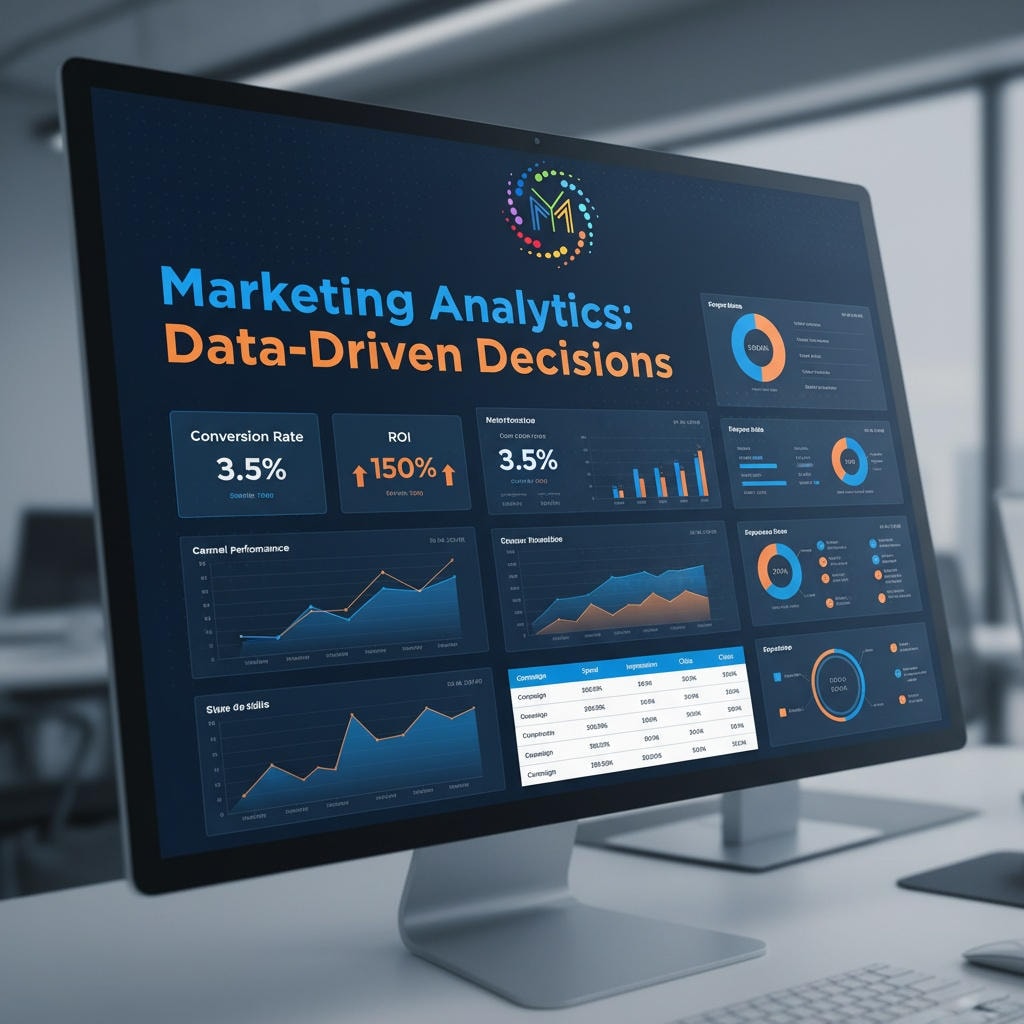
Different on-page and off-page strategies together determine how legal websites rank and convert for practice-area queries. Service pages should target specific case types with intent-focused headings, clear calls to action, structured FAQ sections, and LocalBusiness and LegalService schema to help search engines understand offerings. Off-page strategies include earning citations from legal directories, securing press mentions, and ethical link outreach to community sites; these signals increase domain authority and referral traffic. Measuring SEO ROI requires tracking organic leads, keyword rankings for prioritized queries, conversion rates on service pages, and assisted conversions from organic channels.

Different optimization tactics deliver distinct benefits and KPIs for law firms; this table compares local, technical, on-page, and off-page SEO by expected outcomes and performance signals. The purpose is to help firms prioritize initiatives based on desired outcomes such as visibility, lead volume, and conversion quality.

SEO Area Tactical Focus Expected Outcome / KPI
Local SEO GBP optimization, local landing pages, citations, review strategy Higher local pack presence; increase in phone calls and map-driven leads
Technical SEO Site speed, crawlability, structured data, HTTPS Improved indexation and page performance; reduced bounce rate
On-Page SEO Service page intent mapping, attorney bios, FAQs, schema Higher rankings for target keywords; better conversion on service pages
Off-Page SEO Legal directory listings, PR outreach, ethical link building Increased domain authority and referral traffic; improved SERP trust

This comparison clarifies investment prioritization: local SEO and on-page work often deliver the fastest improvements in qualified leads for consumer-facing practices, while technical and off-page projects support sustained organic growth.

How Can PPC Advertising Generate Qualified Leads for Lawyers?

PPC for lawyers converts high-intent queries into immediate inquiries by using targeted search campaigns, Local Service Ads, remarketing, and platform-specific paid channels to reach prospective clients at each stage of the decision funnel. Paid search captures users actively seeking representation, Local Service Ads provide high-trust lead flows for consumer practices, and remarketing recaptures visitors who didn’t convert on their first visit. Campaign structure should mirror practice-area intent, with tailored landing pages and conversion tracking that tie ad spend directly to consultations and case intake. The following subsections explain campaign types by practice area and how remarketing and Local Service Ads improve acquisition efficiency and lead quality.

Selecting the best PPC campaign types depends on the practice area and client intent; search campaigns typically serve high-intent consumer practices, while B2B and corporate work benefits from LinkedIn and content syndication. For example, personal injury and family law often convert best with search ads plus remarketing and call extensions, while corporate law uses thought-leadership offers and targeted LinkedIn outreach to generate higher-value leads. Campaigns should define conversion goals (form submit, phone call, booked consult) and track cost-per-lead and lead-to-client conversion for accurate budgeting.

Remarketing and Local Service Ads boost client acquisition by addressing different points in the funnel. Remarketing targets audiences who viewed key service pages or contact forms with tailored creative and offers to increase return visits and conversions, while Local Service Ads provide trust signals and lead capture designed for immediate intent queries. Measurement compares LSA lead quality and conversion rates to standard search leads to decide allocation, with remarketing often improving overall ROI through lowered CPA and increased lifetime value.

PPC Campaign Type Best For Practice Area Conversion Goal / Cost Consideration
Search Ads Personal injury, family law, criminal defense Immediate inquiries; higher CPA but high-intent leads
Local Service Ads Consumer-facing practices Direct phone leads; typically strong conversion rates
Remarketing All practice areas Re-engagement; lowers CPA over time by boosting conversion
LinkedIn / B2B Ads Corporate law, startups Lead-gen for high-value clients; CPC and CPL usually higher

This matrix illustrates that aligning campaign type to practice-area intent improves lead quality and budget efficiency, guiding firms to allocate spend where it most likely converts.

Minding Your Media implements these PPC strategies for law firms by building practice-area campaign structures, aligning landing pages to ad intent, and establishing conversion tracking and attribution. The company’s approach emphasizes measurable goals and iterative optimization to lower cost-per-qualified-lead while maintaining compliance with advertising policies.

Content marketing for law firms builds authority, supports SEO, and nurtures potential clients through the decision journey by providing clear answers to legal questions, demonstrating E-A-T, and addressing intent at scale. High-value formats such as long-form practice guides, FAQ-rich service pages, video explainers, and downloadable resources establish topical authority and capture organic traffic for long-tail queries. Content mapped to the client journey moves searchers from awareness (informational blog posts) to consideration (case studies, FAQs) to decision (consultation landing pages and clear intake CTAs). The next subsections outline which formats perform best and how to apply E-A-T principles to strengthen trust and rankings.

Which content formats best engage prospective legal clients depends on the stage of the funnel and the practice area; long-form guides and FAQs capture search intent and support SEO, videos and transcripts improve accessibility and engagement, and interactive tools like calculators or checklists capture leads and first-party data. For consumer practices, explainer videos and step-by-step guides reduce friction and improve conversion; for corporate services, whitepapers and case studies demonstrate capability and support gated lead capture. Integrating transcripts and structured data like VideoObject and FAQ schema enhances indexing and discoverability.

E-A-T principles are central to legal content because expertise, authoritativeness, and trustworthiness reduce friction for clients and satisfy search evaluators. Practical steps include publishing detailed attorney bios with credentials, citing primary sources and statutes, adding case studies with outcomes (without violating confidentiality), and using transparent contact, privacy, and fee-disclosure pages. Structured author metadata and citations create clear knowledge-graph triples such as Attorney → authorship → Practice-area guide that strengthen semantic signals and search visibility.

Content marketing delivers measurable benefits through organic lead growth, improved time-on-page and conversion rates, and increased referral traffic from shareable assets. The following list highlights high-impact content formats and their primary benefits.

  1. Long-form practice guides: deep topical authority that captures long-tail searches.
  2. FAQ and service pages: direct answers that convert intent-driven visitors.
  3. Video explainers and testimonials: increase engagement and trust across channels.

How Should Law Firms Design Websites to Maximize Client Conversions?

A conversion-focused legal website combines clear messaging, trust-building elements, and streamlined intake to turn visitors into booked consultations and client leads. Key elements include an above-the-fold value proposition targeted to the practice area, prominent contact options (click-to-call, short intake forms), attorney bios that establish credibility, and trust signals such as client reviews and media mentions. Technical needs such as mobile-first design, fast page speed, HTTPS, and accessibility are foundational because they directly influence user behavior and search performance. The following H3s go deeper into UX/UI best practices and why mobile optimization is critical to capture local and immediate-intent queries.

Key UX/UI best practices for legal websites prioritize clarity, trust, and frictionless conversion. Navigation should surface practice areas and contact options within a single click, while service pages must use clear H1/H2 hierarchies and concise microcopy that guides visitors to a consultation. Intake forms should be brief, progressive, and privacy-aware to reduce abandonment; use of trust-enhancing attorney photos, credential lists, and short case summaries improves perceived credibility. A/B testing on CTAs, headlines, and form lengths helps iterate toward higher conversion rates by measuring actual user behavior.

Mobile optimization is critical because many clients search and call from smartphones, especially for urgent legal needs; mobile-first design ensures touch-friendly CTAs, simplified pages, and fast load times that reduce abandonment. Mobile affects local SEO and click-to-call behavior, with responsive pages and optimized mobile forms increasing conversions for queries like “top-rated criminal defense lawyers near me.” Improving Core Web Vitals and minimizing mobile form friction converts more searchers into leads.

Design elements that increase conversions include:

  • Clear above-the-fold value proposition and CTA that matches search intent.
  • Short, accessible intake forms with progressive profiling.
  • Structured attorney bios and visible trust signals to reduce visitor hesitation.

How Can Social Media Marketing Enhance Law Firm Brand and Client Reach?

Social media marketing enhances law firm visibility and client reach by distributing authoritative content, amplifying reputation signals, and supporting paid social campaigns that target specific audiences. Platform selection should reflect practice-area audiences: LinkedIn works well for corporate and B2B legal services, YouTube hosts explainer and testimonial videos for general consumer education, and Facebook/Instagram can reach local consumer audiences for family law and personal injury. Reputation management on social platforms amplifies reviews and client stories while paid social offers audience-based targeting for awareness and retargeting. The next subsections evaluate platform effectiveness and how reputation and reviews integrate with social strategies.

Which platforms are most effective for legal marketing depends on the audience and content format; LinkedIn is effective for thought leadership and corporate counsel outreach, YouTube improves SEO and supports in-depth explainers, and Facebook/Instagram reach local consumers with social proof and lead-gen ads. Content should be optimized per platform: professional articles and case studies for LinkedIn, short explainer videos and chapters for YouTube, and carousel ads or testimonial snippets for Facebook. Cross-posting with tailored captions and using VideoObject and structured metadata improves discoverability across search and social.

Reputation management and client reviews impact social media success because positive reviews increase trust and ad performance; proactively soliciting reviews after successful outcomes and responding professionally to negative feedback preserves brand integrity. A workflow that requests reviews via email or SMS after intake, monitors mentions, and follows standardized response templates supports consistent reputation signals. Using testimonials in ad creative and social posts converts viewers into leads by leveraging social proof.

Social activities that drive measurable impact include:

  1. Thought leadership posts on LinkedIn to attract corporate decision-makers.
  2. Educational video series on YouTube to own topical searches and improve engagement.
  3. Local consumer ads on Facebook to generate consult bookings and calls.

Specialized strategies tailor channel mixes, messaging, and measurement to the unique intent and lifetime value of clients across practice areas such as personal injury, family law, corporate law, and criminal defense. Consumer-facing practices prioritize local SEO, reputation, and immediate-response PPC formats to capture urgent intent, while corporate practices emphasize thought leadership, gated content, and account-based outreach to generate high-value but lower-volume leads. Criminal defense marketing requires sensitivity to privacy, ethical advertising, and messaging that reassures potential clients while guiding them to confidential intake. The following subsections provide practical SEO tailoring for consumer practices and PPC/content approaches for corporate and criminal defense lawyers.

How Is SEO Tailored for Personal Injury and Family Law Firms?

SEO for personal injury and family law emphasizes capturing urgent, high-intent local queries and reassuring visitors through content that explains process, fees, and expected outcomes. Tactics include local landing pages that target case types and city modifiers, FAQ sections that answer common legal concerns, and schema markup for Service and FAQ to improve snippet eligibility. Review acquisition and local citations increase trust and local ranking signals, while video explainers and testimonial clips help convert hesitant visitors. This combination improves visibility for queries like “top-rated criminal defense lawyers” and “best family law firms” while increasing consultation rates via trust-building content.

What PPC and Content Marketing Approaches Work Best for Corporate and Criminal Defense Lawyers?

Corporate law benefits from gated content, LinkedIn campaigns, and SEO-driven thought leadership that generate qualified meetings and long-term relationships rather than high lead volume. Content such as whitepapers and case studies functions as lead magnets that demonstrate expertise and filter for decision-makers. Criminal defense requires sensitivity and compliance in ad copy and landing pages, emphasizing confidentiality, rights education, and quick contact options; search campaigns and Local Service Ads tailored with discreet CTAs often yield the most qualified consults. Both practice areas measure success by conversion quality — meetings booked, case value, and retained clients — rather than raw lead count.

For law firms ready to act on these insights, consider a consultation that translates this guidance into a prioritized roadmap tailored to your practice areas and local markets. To be explicit about our purpose and next steps: To provide useful information about digital marketing services and solutions, and to generate leads by encouraging businesses to contact them for consultations and services. Minding Your Media can evaluate visibility gaps, recommend tactics across SEO, PPC, content, and UX, and help implement measurable campaigns that increase qualified client inquiries.

  1. Request an evaluation: Start with a visibility and conversion audit to identify quick wins.
  2. Prioritize channels: Align budgets and resources to practice-area intent and KPIs.
  3. Measure and iterate: Use conversion tracking, attribution, and A/B tests to improve ROI.